Why Your Business Needs a Professional WordPress Website

A social media profile, marketplace listing, or business directory can help people discover a company, but these channels do not replace a website that the business controls. In 2026, a professional WordPress website remains one of the most useful digital assets for building trust, explaining services, attracting search traffic, and converting interest into enquiries or sales.
The difference between simply having a website and having a professional website is important. A strong business website is not only visually modern. It has a clear purpose, reliable technology, useful content, fast performance, mobile usability, secure forms, analytics, and a structure that can grow with the company.
Your Website Is Often the First Serious Trust Check
Potential customers may first hear about a business through an advertisement, referral, social post, or marketplace. Before contacting the company, many will visit the website to confirm that the business appears credible and relevant.
A professional website should quickly answer:
- What does the business provide?
- Who is the service or product for?
- Why should the visitor trust this company?
- What should the visitor do next?
Clear messaging, real project examples, testimonials, business details, and an easy contact process reduce uncertainty. An outdated design, broken mobile layout, expired content, or browser warning can create the opposite effect.
A Professional Website Gives You Control
Social platforms and online marketplaces are valuable, but the business does not control their algorithms, policies, account access, or page design. A website on your own domain provides a stable place for your brand, content, contact information, and customer journey.
You can decide how services are presented, which calls to action are visible, how leads are tracked, and which pages support advertising campaigns. You can also build an email list and publish content that remains accessible outside a social feed.
WordPress is popular for this purpose because it is open, flexible, and supported by a large ecosystem. The business can change hosting providers, developers, themes, and tools without rebuilding the entire online presence on a closed platform.
WordPress Can Grow With the Business
A small company may begin with a homepage, services, about, and contact page. Later, it may need case studies, multiple locations, a blog, multilingual content, booking, memberships, digital downloads, or WooCommerce.
A well-planned WordPress website can expand gradually. Custom post types and templates can keep portfolios, services, team members, properties, equipment, or resources organized. Integrations can connect the website with email marketing, CRM systems, analytics, payment providers, calendars, and automation tools.
Scalability depends on the original structure. A website built from random plugins and inconsistent page designs can become difficult to maintain. Professional development creates a cleaner foundation so new features do not require a complete rebuild every time the business changes.
Mobile Experience Is a Core Business Requirement
A large part of discovery and research happens on mobile devices. Google also uses the mobile version of a website for indexing and ranking. A business website must therefore provide complete, accessible content and functionality on smaller screens.
Mobile-friendly design includes more than responsive columns. Text must be readable, buttons easy to tap, menus simple, forms usable, and images optimized. Popups and cookie notices should not block the main content. Phone numbers, directions, booking, and messaging actions should be convenient.
A desktop page that looks impressive but becomes slow or confusing on mobile can lose potential customers at the most important moment.
Website Speed Supports User Experience and SEO
Visitors expect pages to become useful quickly. Slow loading, delayed interactions, and moving layouts can reduce confidence and interrupt the path to contact or purchase.
Google's Core Web Vitals measure loading performance, responsiveness, and visual stability. A professional WordPress website should be built with these areas in mind through optimized images, clean Elementor or theme structure, reliable hosting, caching, limited third-party scripts, and careful plugin selection.
Performance is not a one-time task. New images, tracking tools, plugins, and design changes can make a website slower over time. Monitoring and maintenance protect the work completed during the original build.
SEO Starts With the Website Structure
Search engine optimization is easier when the website has a clear architecture. Important services should have dedicated pages, navigation should be crawlable, headings should describe the content, and internal links should connect related information.
WordPress allows control over title tags, meta descriptions, URLs, images, structured data, and sitemaps. However, installing an SEO plugin does not automatically create visibility. The website needs useful, specific content that matches what potential customers are searching for.
For a freelance WordPress business, for example, separate pages for website design, Elementor development, WooCommerce, speed optimization, fixes, and redesigns can serve different search intentions. Blog posts can answer questions and direct readers toward the appropriate service page.
A Business Website Should Generate Leads
A professional website is part of the sales process. Every commercial page should help visitors move toward an action: request a quote, schedule a call, send an enquiry, purchase a product, or hire through a secure platform.
Conversion-focused pages use a logical sequence:
1. A clear promise or value proposition.
2. A short explanation of the problem and solution.
3. Specific services, benefits, or product information.
4. Proof such as reviews, case studies, experience, or results.
5. Answers to common concerns.
6. A simple and visible call to action.
Forms should be short, secure, and reliable. The business should receive the message, the visitor should see a confirmation, and analytics should record the completed action rather than only the button click.
Professional Content Makes the Design More Effective
Strong design cannot compensate for unclear copy. Visitors need to understand the offer without reading vague statements such as "innovative solutions for modern success."
Professional website content uses the customer's language, explains outcomes, and removes unnecessary complexity. Service pages should describe what is included, who benefits, the working process, and the next step. Case studies should explain the challenge, approach, and result rather than displaying screenshots only.
The content should also support scanning. Short paragraphs, descriptive headings, lists, and visual examples make the page easier to use on both desktop and mobile.
Security and Maintenance Protect the Investment
WordPress core, themes, and plugins receive updates. Forms and email delivery need monitoring. Backups must be created and tested. Security tools and hosting settings need sensible configuration.
A professional website project should include a maintenance plan. This may be managed by the business, a freelancer, an agency, or the hosting provider, but responsibilities must be clear.
Basic maintenance includes:
- Regular backups stored separately from the website.
- WordPress, plugin, and theme updates.
- Security monitoring and strong account protection.
- Form and email testing.
- Performance checks.
- Broken-link and content reviews.
- Renewal tracking for domains, hosting, licenses, and email services.
Ignoring maintenance can turn a good website into a slow, insecure, or unreliable one.
WordPress and Elementor Can Balance Control and Usability
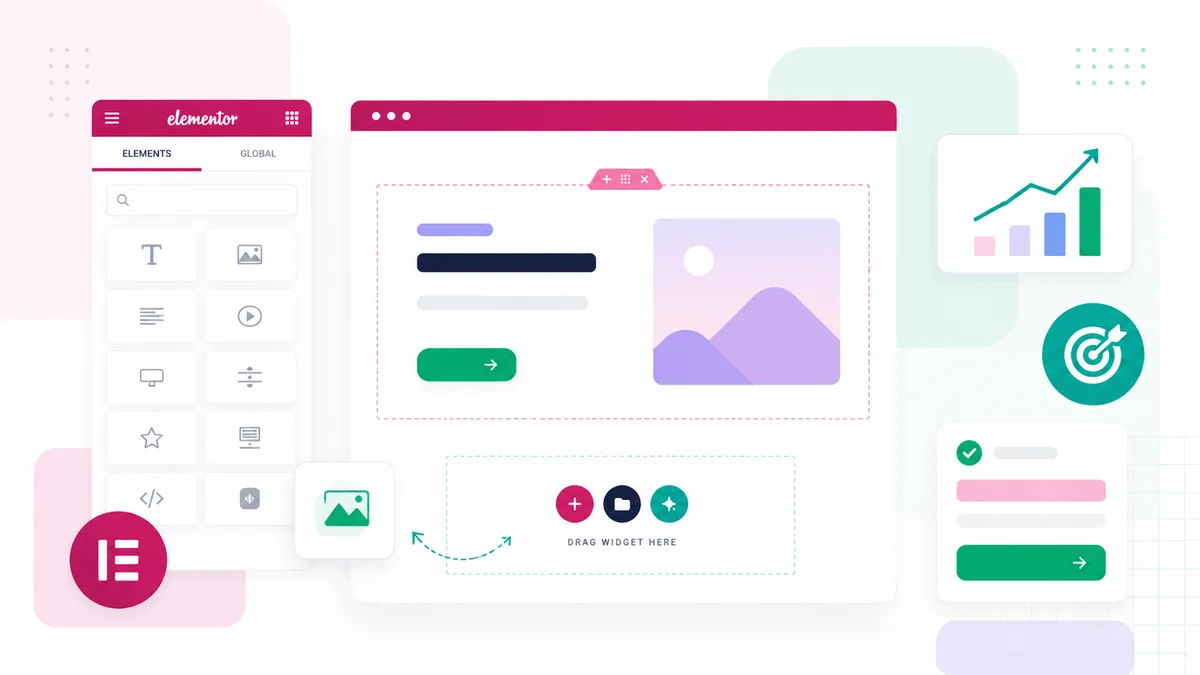
Elementor is a practical option for businesses that want custom layouts and easier visual editing. It can create landing pages, service sections, portfolios, testimonials, forms, and reusable templates.
The builder should still be used carefully. Too many add-ons, nested containers, animations, fonts, and external scripts can reduce performance. A professional Elementor website uses a design system, optimized media, reusable components, and only the features the project needs.
This balance gives the business more editing control without sacrificing consistency and technical quality.
DIY Website vs Professional WordPress Development
A DIY website can be suitable for testing a new idea or launching a simple temporary page. It may keep the initial cost low, but business owners often spend significant time solving layout, mobile, plugin, email, SEO, and hosting problems.
Professional development becomes valuable when the website needs to represent an established business, support advertising, generate leads, sell products, integrate with other systems, or compete in search.
A good developer does more than place sections on a page. The work includes planning, information architecture, responsive behavior, performance, technical SEO, forms, security, testing, analytics, and maintainability.
Signs Your Current Website Needs Improvement
Your website may need a redesign or rebuild when:
- The visual style no longer matches the business.
- Important pages are slow or unstable.
- Mobile layouts are difficult to use.
- Services have changed but the website has not.
- Visitors cannot quickly understand the offer.
- Forms or emails fail.
- The site receives traffic but few enquiries.
- Content is difficult to update.
- Plugins and themes are outdated or unsupported.
- SEO pages are missing, duplicated, or poorly structured.
Not every issue requires a complete rebuild. A professional audit can separate quick fixes from structural problems.
What a Professional WordPress Website Should Include in 2026
Use this checklist when planning a new website:
1. A clear business goal and target audience.
2. A strong homepage with a specific value proposition.
3. Dedicated pages for important services or product categories.
4. Responsive design tested on real devices.
5. Fast, stable performance and optimized media.
6. SEO titles, descriptions, headings, and internal links.
7. Accessible navigation, contrast, labels, and alt text.
8. Trust elements such as reviews, portfolio work, credentials, and policies.
9. Simple forms with reliable email delivery and spam protection.
10. Analytics and conversion tracking.
11. Backups, security, and an update process.
12. A content and growth plan after launch.
Frequently Asked Questions
Is WordPress still good for business websites in 2026?
Yes. WordPress remains flexible and widely supported. The result depends on the quality of the hosting, theme or builder, plugins, development, content, performance, and maintenance.
How much does a professional WordPress website cost?
The cost depends on the number of pages, custom design, content, ecommerce, integrations, multilingual requirements, and technical complexity. A clear scope is more useful than comparing only page counts.
Do I need Elementor for a WordPress business website?
No. WordPress can use the block editor, a custom theme, or another builder. Elementor is a strong option when the business values visual editing and custom layouts, provided it is implemented cleanly.
Can a professional website help with Google rankings?
It can provide a much stronger SEO foundation through useful content, technical quality, speed, mobile usability, internal links, and structured pages. Rankings also depend on competition, authority, relevance, and ongoing work.
Final Thoughts
A professional WordPress website is not simply an online business card. It is a platform for trust, content, search visibility, lead generation, customer service, and future growth. The best websites combine clear strategy, strong content, professional design, reliable development, and ongoing maintenance.
If your business needs a new WordPress website, an Elementor redesign, WooCommerce improvements, or technical fixes, send me your current website and goals. I can recommend a practical next step and manage the project securely through Upwork.
Continue Planning Your Website
WordPress Website Development
Custom responsive WordPress websites built with Elementor, clear structure, and practical SEO foundations. Ideal for businesses that need a clean site they can manage after launch.
Explore Service Case StudyNu-tility Website
A completed business website project for an energy infrastructure company, focused on a professional digital presence and clear service positioning.
View Case Study GuideHow to Hire a Freelance WordPress Developer in 2026
A practical guide to hiring a freelance WordPress developer, comparing portfolios, defining scope, asking better questions, and starting a safer project.
Read Guide