Complete WordPress Website Maintenance Checklist for Small Businesses

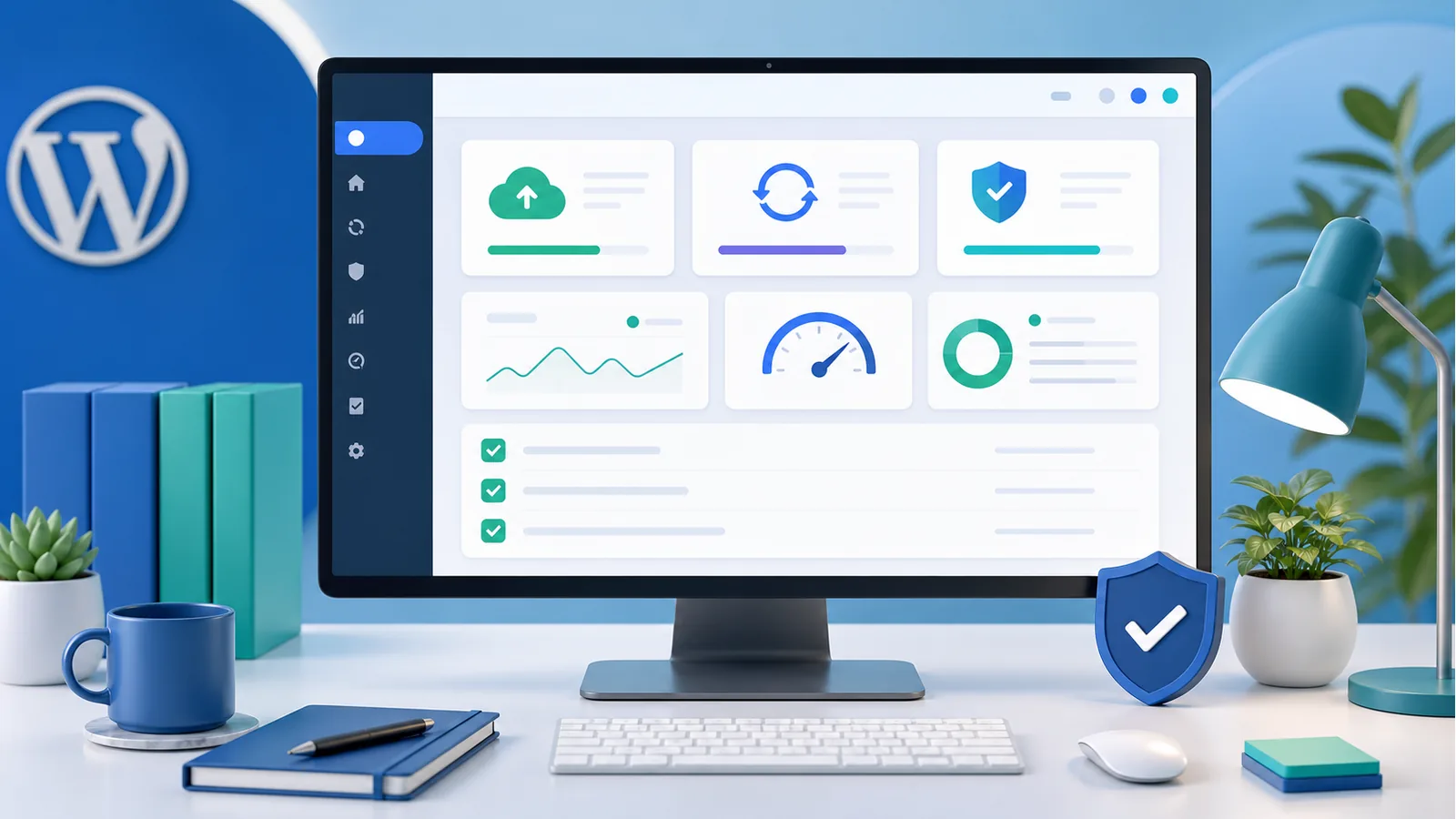
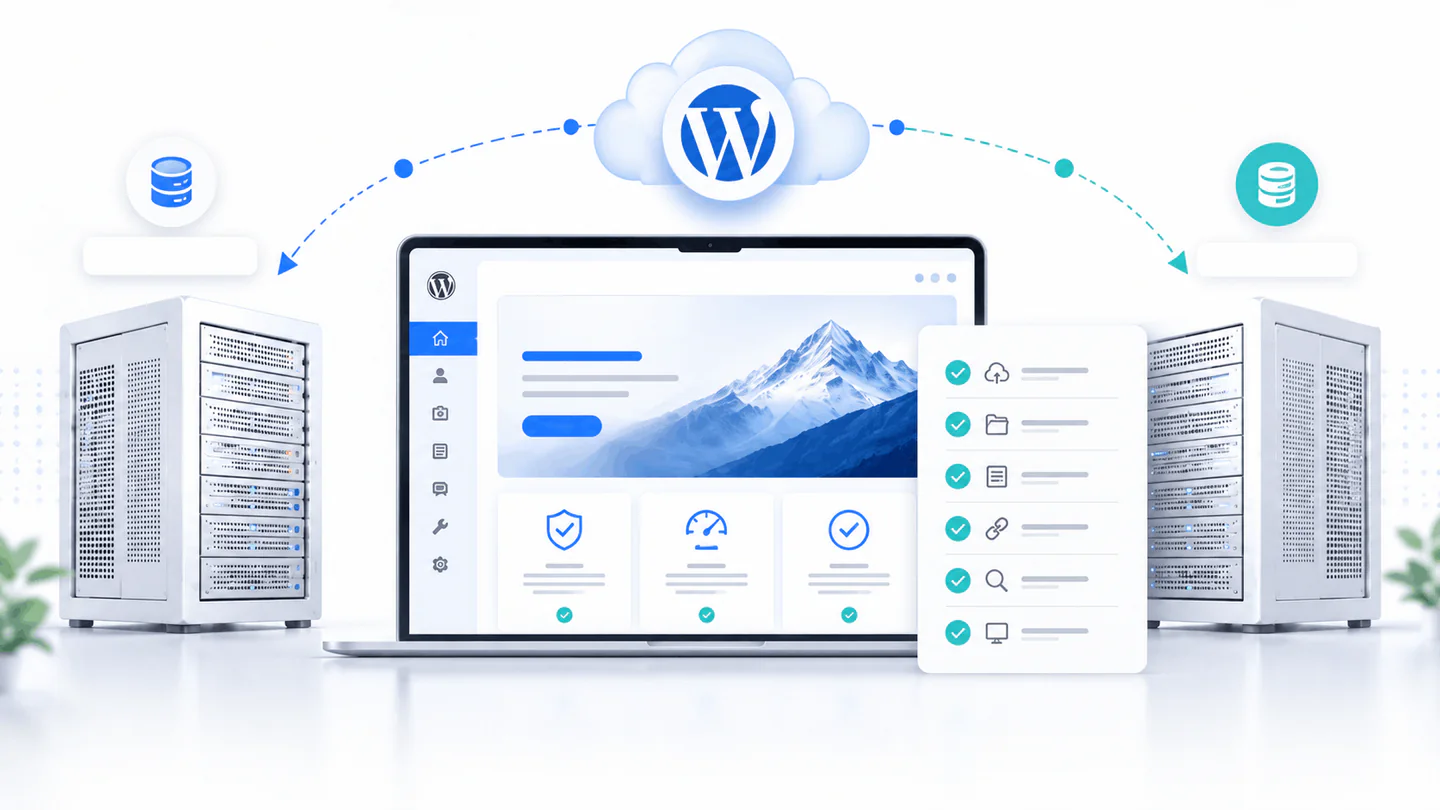
A WordPress website is not a one-time project that can be ignored after launch. It is a working business system. Plugins receive updates, forms can stop delivering email, content becomes outdated, backups can fail, pages slow down, and small technical problems can quietly reduce trust or cost you leads.
The purpose of WordPress maintenance is not to make unnecessary changes every week. It is to reduce risk, catch problems early, protect recoverable copies of the site, and keep the customer experience reliable. This practical checklist organizes the work into weekly, monthly, quarterly, and annual tasks so a small business can maintain its website without turning every update into an emergency.
What Is WordPress Website Maintenance?
WordPress maintenance is the ongoing process of checking, updating, protecting, testing, and improving a website after it goes live. It covers the WordPress core software, themes, plugins, hosting environment, database, backups, security, content, search visibility, forms, performance, and user experience.
Maintenance is different from a redesign. A redesign changes the structure, visual system, messaging, or conversion flow. Maintenance keeps the existing website healthy and may include small improvements. When maintenance repeatedly reveals deeper layout, content, or technical limitations, a redesign may become the more cost-effective solution.
Why WordPress Maintenance Matters for Small Businesses
It reduces security risk
WordPress itself is actively maintained, but every installation also depends on hosting, themes, plugins, user accounts, and configuration. The official WordPress hardening guide recommends keeping WordPress current, updating plugins, deleting unused plugins, using trusted sources, maintaining backups, controlling access, and monitoring the site. Security is best understood as risk reduction rather than a promise that nothing can ever happen.
It protects leads and revenue
A website can appear normal while a contact form fails, a checkout email does not send, a booking integration disconnects, or a payment method stops working. Regular functional testing finds these problems before a customer reports them-or simply leaves.
It preserves performance and search visibility
New images, scripts, tracking tools, plugin features, and page-builder changes can gradually slow a website. Google's Core Web Vitals measure real-world loading performance, responsiveness, and visual stability. Maintenance creates a routine for monitoring these signals and fixing regressions instead of waiting for organic traffic or conversions to decline.
It makes future changes safer
A clean, updated website with tested backups is easier to modify. Developers can diagnose issues faster, plugin compatibility is easier to assess, and there is a reliable recovery point if an update causes a conflict.
Before You Begin: Build a Safe Maintenance System
Do not begin by clicking every available update. A safe process matters more than speed. Your maintenance system should define who is responsible, where backups are stored, how changes are tested, and what happens when something fails.
- Use a reputable host with supported PHP and database versions.
- Keep at least one backup outside the live hosting account.
- Use a staging copy for risky updates, redesign work, or complex plugin changes.
- Maintain a list of important accounts, licenses, renewal dates, and responsible contacts.
- Document essential website functions such as forms, checkout, booking, membership, or multilingual content.
- Define an emergency contact and recovery procedure before you need one.
Weekly WordPress Maintenance Checklist
1. Confirm that the website is online
Open the homepage and important landing pages in a private browser window. Check for server errors, broken layouts, expired certificates, maintenance-mode screens, or obvious malware warnings. Automated uptime monitoring is useful, but a quick human check can find visual problems that an uptime tool misses.
2. Test your most important conversion
Submit the main contact form, request a quote, complete a test booking, or place a test order using the approved process. Confirm the visitor sees the correct success message and that the business receives the notification. For WooCommerce, also confirm order status and transactional emails when practical.
3. Review security and uptime alerts
Look for failed login spikes, blocked attacks, unexpected administrator accounts, file-change alerts, hosting warnings, or unusual traffic. Do not panic over every automated notice. Investigate meaningful changes and confirm whether they relate to legitimate maintenance.
4. Check pending updates
Review available WordPress core, theme, and plugin updates. Security and bug-fix updates should not be ignored, but updates should follow a backup-and-test process. Read changelogs when the update affects checkout, forms, caching, the page builder, or other critical functionality.
5. Remove obvious spam
Delete spam comments, fake form entries, fraudulent users, or test orders according to your business process and retention requirements. Large amounts of junk can make real enquiries harder to spot and may increase database size.
Monthly WordPress Maintenance Checklist
1. Create and verify a complete backup
Back up the database and website files, including uploads, themes, plugins, and important configuration. Store copies in more than one location. Check the backup log for success, verify the file size is reasonable, and periodically perform a test restoration on staging. The official WordPress backup guidance makes clear that both the database and files matter.
2. Update WordPress core, plugins, and themes safely
Before updating, review compatibility notes and create a current backup. Apply changes on staging first when the website is complex or business-critical. After updating, clear caches and test the site. WordPress documentation recommends backing up before updates and provides recovery guidance when an update fails.
- Update WordPress core to a supported release.
- Update active plugins and themes from trusted sources.
- Delete unused plugins and themes rather than only deactivating them.
- Confirm premium licenses are active and update channels still work.
- Check that custom code or child-theme changes remain intact.
- Test forms, navigation, login, checkout, and important integrations after updates.
3. Scan for security issues
Run a trusted security scan and review the results instead of assuming every warning is critical. Check for modified core files, suspicious administrators, malware, vulnerable extensions, exposed configuration, or unexpected redirects. Security plugins can help, but hosting protection, strong credentials, limited access, and updated software remain essential.
4. Review user accounts and access
Remove accounts that are no longer needed. Reduce administrator access when an editor or shop-manager role is enough. Confirm that agency, freelancer, employee, and temporary accounts still have a business purpose. Use unique passwords and enable two-factor authentication where available.
5. Check forms and email delivery
Test every important form-not only the homepage form. Confirm validation messages, file uploads, autoresponders, CRM integrations, and notification recipients. Review SMTP or transactional-email logs for failures. A form that says "sent" is not proof that the email reached the inbox.
6. Inspect analytics and Search Console
Look for sudden changes in organic clicks, conversions, top landing pages, indexed pages, crawl errors, and device performance. Maintenance is not a complete SEO campaign, but unexpected drops can reveal technical problems, tracking failures, accidental noindex settings, broken redirects, or content that needs attention.
7. Check page speed and Core Web Vitals
Test representative templates such as the homepage, service page, blog post, product page, and checkout. Do not optimize only the fastest page. Google recommends good real-world Core Web Vitals, with targets including LCP within 2.5 seconds, INP below 200 milliseconds, and CLS below 0.1.
When performance changes, identify the cause before installing another optimization plugin. Common problems include oversized images, too many fonts, third-party scripts, page-builder bloat, duplicate tracking, unoptimized video, slow hosting, database overhead, and plugin conflicts.
8. Optimize new images and media
Compress images, use appropriate dimensions, prefer modern formats such as WebP or AVIF where supported, and add meaningful alt text when an image communicates information. Delete duplicates and unused large uploads carefully, because an image may be referenced in templates or custom fields even when it appears unattached.
9. Repair broken links and missing pages
Check important internal and external links. Fix incorrect URLs, replace outdated resources, and redirect removed pages to the closest relevant destination when appropriate. Do not redirect every missing page to the homepage; unrelated redirects create a poor experience and can confuse search engines.
10. Review website content for obvious inaccuracies
Confirm prices, opening hours, staff details, contact information, policies, service areas, and promotions are current. Outdated content damages trust even when the website is technically perfect.
Quarterly WordPress Maintenance Checklist
1. Audit plugins, themes, and technical debt
Review whether each extension is still required, actively maintained, compatible, and worth its performance or security cost. Remove duplicate tools that solve the same problem. Check custom snippets and integrations for comments or documentation so future developers understand why they exist.
2. Review the full mobile experience
Use real phones to test navigation, buttons, forms, popups, tables, accordions, checkout, and sticky elements. Website owners often work from desktop dashboards and miss mobile problems affecting most visitors.
3. Audit on-page SEO essentials
Review page titles, meta descriptions, canonical tags, index settings, heading structure, image alt text, XML sitemap coverage, structured data, and internal links. Identify pages competing for the same topic and pages that receive traffic but do not guide visitors toward a useful next step.
4. Test backup restoration
Restore a recent backup into a safe staging environment. Confirm the website loads, the administrator login works, images are present, and critical features function. A successful backup log without a restoration test provides incomplete assurance.
5. Review hosting and resource usage
Check storage, bandwidth, CPU, memory, inode usage, error logs, PHP version, database version, SSL, and scheduled tasks. Repeated limits or timeouts may indicate a hosting problem, plugin issue, bot traffic, or a site that has outgrown its plan.
6. Review accessibility basics
Check keyboard navigation, visible focus, form labels, color contrast, heading order, meaningful link text, alternative text, and video captions. Accessibility should be part of design and content work, but a quarterly review catches regressions introduced by new pages or plugins.
7. Evaluate conversion performance
Review whether visitors reach the contact, booking, purchase, or signup goal. Look at important landing pages and ask whether the offer, proof, calls to action, and form length still make sense. Maintenance should preserve function; conversion review ensures the function still supports the business.
Annual WordPress Maintenance Checklist
1. Renew domains, hosting, licenses, and services
Confirm renewal dates, payment methods, billing contacts, and account ownership. Check domain privacy, DNS access, SSL, email services, Elementor Pro, premium plugins, backup storage, CDN, security tools, and any APIs the website depends on.
2. Review the website against current business goals
Services, audiences, positioning, products, and competitors change. Review whether the navigation, homepage, landing pages, portfolio, testimonials, and calls to action still represent the business accurately. A website can be technically healthy and strategically outdated.
3. Refresh your content plan
Update strong articles, consolidate thin or overlapping posts, create new content around real customer questions, and improve internal links. Track which posts generate enquiries rather than publishing only for volume.
4. Plan major upgrades or redesign work
Identify unsupported themes, outdated builders, recurring plugin conflicts, hard-to-edit templates, poor mobile structure, and performance limitations. Plan upgrades in a controlled project instead of waiting for a critical failure.
5. Review legal and privacy requirements
Have the appropriate professional review privacy, cookie, ecommerce, accessibility, and industry-specific requirements for the regions where you operate. Update website text and consent tools when business practices or legal obligations change.
WooCommerce Maintenance Tasks
WooCommerce websites need additional testing because a technical problem can directly block revenue or create fulfilment errors.
- Place scheduled test orders using approved payment methods or sandbox mode.
- Check product prices, variations, stock, tax, shipping, coupons, and cart totals.
- Confirm checkout works on mobile and does not contain distracting errors.
- Test order, payment, refund, and customer email notifications.
- Review failed orders and payment-gateway logs for patterns.
- Check WooCommerce database updates and template overrides after major releases.
- Confirm scheduled tasks and subscriptions are processing correctly when used.
- Back up before bulk product imports, price changes, or plugin upgrades.
Elementor Maintenance Tasks
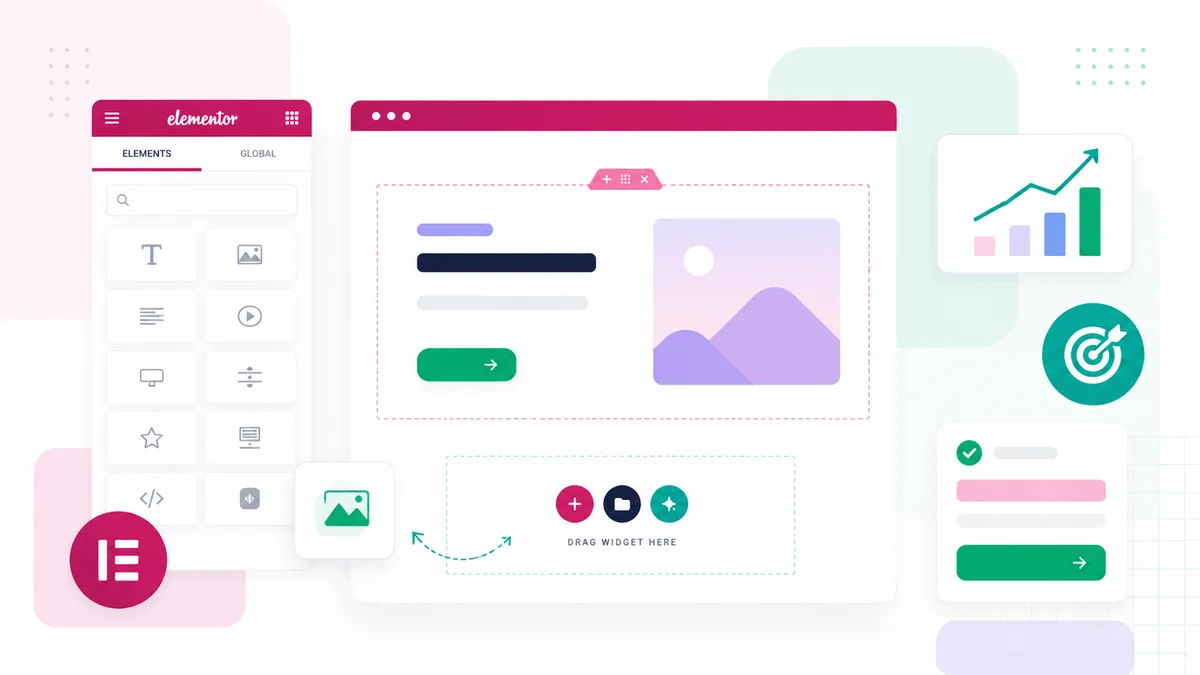
Elementor sites should be checked after Elementor, Elementor Pro, theme, caching, or optimization updates. Regenerate CSS and data only when needed, clear the appropriate caches, and inspect global styles, templates, popups, forms, dynamic fields, breakpoints, and mobile spacing.
Avoid solving every layout issue with another CSS override. Repeated fixes may indicate inconsistent global settings, nested structures, abandoned widgets, or a page that should be rebuilt more cleanly. Maintenance is also an opportunity to reduce unnecessary containers, plugins, fonts, and animations.
What Should a WordPress Maintenance Service Include?
A maintenance plan should be defined by responsibility and outcomes, not only by the number of updates. Ask what is monitored, how often backups run, where they are stored, whether restoration is included, how updates are tested, what support time is included, and how emergencies are handled.
- WordPress core, theme, and plugin updates with post-update testing.
- Automated backups plus periodic verification and restore testing.
- Uptime, security, and error monitoring.
- Form, email, checkout, or booking tests.
- Performance and Core Web Vitals review.
- Database and media housekeeping when appropriate.
- Monthly reporting with issues, actions, and recommendations.
- A defined response process for urgent problems.
- Clear limits for included content changes and development work.
Cheap maintenance that only enables automatic updates may be suitable for a simple low-risk site, but it is not the same as active care. Business-critical websites need testing and someone who can respond when an update, host, payment gateway, or integration fails.
Common WordPress Maintenance Mistakes
- Updating a live website without a current backup.
- Assuming the host backup is complete, recent, and restorable without checking.
- Keeping unused plugins and themes "just in case."
- Installing multiple security or cache plugins that conflict with each other.
- Ignoring form delivery because the form displays a success message.
- Optimizing only the homepage while templates used by customers remain slow.
- Using one shared administrator account for every employee and contractor.
- Ignoring license expirations until updates stop working.
- Deleting media or database records without understanding dependencies.
- Treating maintenance as updates only and never reviewing content or conversions.
Frequently Asked Questions
How often should a WordPress website be maintained?
Critical sites should be monitored continuously and reviewed at least weekly, while updates and functional checks are commonly handled weekly or monthly depending on risk. A low-change brochure site and a busy WooCommerce store should not use the same schedule.
Are automatic updates enough?
Automatic updates reduce the time a known issue remains unpatched, but they do not verify that the website still works. Use them selectively and combine them with reliable backups, monitoring, and post-update testing.
How much does WordPress maintenance cost?
Cost depends on the number of websites, update risk, backup frequency, ecommerce, memberships, integrations, traffic, support response, reporting, and included development time. Compare what is actually tested and supported rather than only the monthly price.
Can I maintain WordPress myself?
Many small site owners can handle basic updates and content checks if they understand backups and recovery. Professional support is valuable when the site generates revenue, uses complex plugins, contains custom code, or must be restored quickly after a problem.
What is the difference between maintenance and support?
Maintenance is planned preventive work such as backups, updates, monitoring, and testing. Support responds to questions, errors, content requests, or new tasks. A service plan may include both, but the included hours and response times should be clear.
Keep Your WordPress Website Reliable
A maintained website is easier to trust, easier to improve, and easier to recover. The most important habits are simple: maintain complete backups, keep software current, remove what you do not use, limit access, test the customer journey, monitor performance, and review the site against real business goals.
I provide ongoing WordPress support, updates, fixes, speed improvements, Elementor maintenance, WooCommerce help, migrations, and redesign work for businesses and agencies. If you need a reliable person to inspect your website and create a practical maintenance plan, contact me or hire me securely through Upwork.
Continue Planning Your Website
WordPress Maintenance Plans
Ongoing WordPress maintenance for updates, backups, security checks, uptime review, content support, and small website improvements.
Explore Service Case StudyOCTO Group Website
A polished corporate website for an integrated facility management and smart building services company, focused on credibility, service clarity, and strong business presentation.
View Case Study GuideHow to Speed Up a WordPress Website: 12 Practical Fixes
A practical WordPress speed optimization guide covering images, hosting, caching, Elementor structure, plugins, scripts, fonts, databases, and Core Web Vitals.
Read Guide